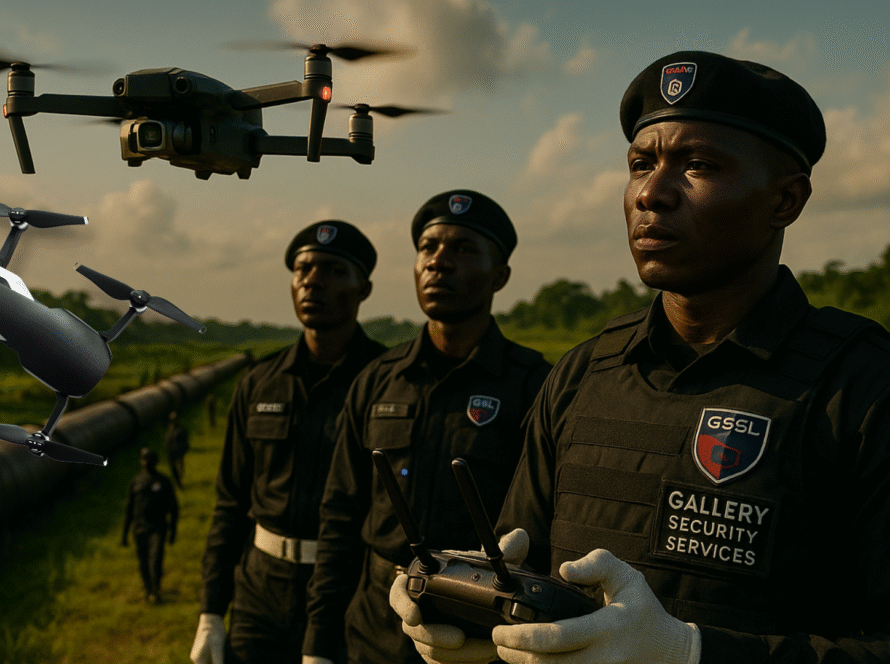
Nigeria is a nation blessed with vast natural resources, from its abundant land to its sprawling waterways. These resources, however, are also prime targets for illegal activities such as oil theft, piracy, and vandalism. As the country continues to experience economic growth, the need to protect these valuable assets becomes increasingly critical. Land and waterway security has therefore become an essential pillar for safeguarding Nigeria’s vast resources, ensuring their sustainable use, and preventing them from falling into the hands of criminals.
At Gallery Security Services, we provide specialized security services that cater to both land and waterway protection. Our highly trained operatives, advanced technologies, and proven methodologies ensure that vital resources, including oil pipelines, natural reserves, and trade routes, remain safe from theft, damage, and disruption.
This article explores the importance of land and waterway security, the risks involved, and how we can help safeguard Nigeria’s natural assets.
Why Land and Waterway Security Is Crucial
Land and waterways are vital for Nigeria’s economy. These areas host critical infrastructure such as oil pipelines, agricultural zones, water transport routes, and industrial hubs. Unfortunately, these resources are constantly under threat, posing significant risks to national security and economic stability.
1. Protection of Oil and Gas Infrastructure
Nigeria is one of the world’s leading oil producers, with its oil fields and pipelines serving as the backbone of its economy. However, oil theft and pipeline vandalism have plagued the country for decades. Criminals tap into pipelines, causing production losses and environmental damage.
Waterway security plays a critical role here, as much of Nigeria’s oil production and transportation happens via pipelines that run through rivers and coastal regions. Without proper protection, these pipelines are vulnerable to damage, theft, and sabotage.
2. Ensuring Safe Trade Routes
Nigeria’s waterways, including its ports, rivers, and coastal routes, are integral to both national and international trade. These routes allow for the transport of goods, oil, and other essential resources. However, piracy, illegal fishing, and the smuggling of arms and contraband have become significant concerns along Nigeria’s waterways.
By implementing strict security measures, these routes can remain safe for legitimate trade, contributing to the growth of Nigeria’s economy and positioning it as a dominant player in global trade.
3. Supporting Agriculture and Local Communities
Nigeria’s land and water resources are also essential to agriculture. Rural communities depend on water for farming, fishing, and transportation. However, unchecked threats to these regions—such as land encroachment, resource depletion, and criminal activities—can disrupt the livelihoods of millions of people.
Effective land and waterway security ensures the safety of these areas, allowing local communities to thrive and preserve their resources for future generations.
The Risks and Challenges in Land and Waterway Security
While the importance of securing land and waterway resources is clear, several challenges complicate the task of protecting these areas effectively. Understanding these risks helps inform better security strategies and underscores the need for tailored solutions.
1. Vandalism and Theft
One of the primary risks in land and waterway security is vandalism, particularly in the oil and gas sector. Criminal gangs often target pipelines for theft, causing significant financial losses, environmental damage, and disruption of production.
Waterways are also vulnerable to illegal activities such as piracy, where criminals hijack vessels, steal cargo, or disrupt trade. In many cases, these activities result in fatalities and loss of livelihood for those involved in legal trade.
2. Remote and Difficult Terrain
Many of Nigeria’s land and waterway routes pass through difficult terrain, making it challenging to monitor and secure effectively. Rural areas and the dense Niger Delta are especially susceptible to criminal activity due to their remoteness and limited law enforcement presence.
Waterways such as the Niger River and coastal zones are similarly prone to piracy and illegal fishing due to the lack of consistent patrols and oversight. These areas also present logistical challenges for deploying security forces effectively.
3. Lack of Infrastructure and Resources
Despite improvements in the country’s security forces, Nigeria still faces challenges related to infrastructure and resources. The vastness of the country’s land and waterway networks requires substantial investment in security infrastructure such as surveillance systems, vehicles, and boats.
A lack of resources can hinder efforts to secure sensitive locations, leaving them vulnerable to exploitation.
How We Secure Land and Waterways
At Gallery Security Services, we understand the complexities of land and waterway security. We have developed a multi-faceted approach to address the various challenges, combining the best security practices with state-of-the-art technology and highly trained personnel.
1. Specialized Security Personnel
Our security teams are highly skilled and trained to manage both land and waterway security. These professionals undergo rigorous training that prepares them to:
- Conduct land patrols in difficult terrains and remote areas
- Respond quickly to security threats
- Provide protection for critical infrastructure such as pipelines, power plants, and factories
- Perform surveillance operations in waterway regions using specialized boats and equipment
We also ensure that our personnel are equipped with the knowledge and tools necessary to maintain the security of Nigeria’s most vulnerable resources.
2. Surveillance Technology for Real-Time Monitoring
In addition to personnel, we utilize cutting-edge surveillance technology to enhance the effectiveness of our security measures. This includes:
- CCTV cameras: Strategically placed along pipelines, ports, and critical infrastructure to monitor activities in real time
- Drones: Equipped with infrared sensors and high-resolution cameras, our drones provide aerial surveillance of land and waterway areas, making it easier to detect suspicious activity, leaks, and vandalism.
- Thermal imaging: Used to detect heat signatures from vehicles, boats, or human activity, even in remote or low-visibility areas.
These technologies provide 24/7 surveillance capabilities, ensuring that every aspect of land and waterway security is covered.
3. Community Engagement and Training
A key part of securing land and waterways is engaging with local communities. Community-based security is an essential element of our strategy. We believe that:
- Collaboration with local residents, businesses, and stakeholders fosters trust and enhances security outcomes.
- Training and awareness programs for local communities help them recognize and report potential security threats, such as illegal logging, vandalism, and piracy.
Our approach ensures that security is not only enforced but supported by the people who depend on these resources.
4. Waterway Patrols and Security Boats
For waterway security, we provide dedicated patrols using specially equipped boats to monitor the extensive network of Nigeria’s rivers, lakes, and coastal zones. Our security boats are equipped with:
- Advanced communication systems: Allowing for quick coordination and response during emergencies
- Heavy-duty equipment: For dealing with potential piracy and illegal activity
- Personnel: Trained in maritime security protocols to ensure that threats are swiftly identified and neutralized
By maintaining constant vigilance on Nigeria’s waterways, we can effectively prevent piracy and other illegal activities.
5. Risk Assessment and Strategic Security Plans
Before implementing any security measures, we perform comprehensive risk assessments for both land and waterway operations. This includes evaluating:
- Potential threats in the area (e.g., illegal fishing, piracy, land encroachment)
- Environmental factors such as flood zones, which may affect security strategies
- Local population dynamics, which may influence security risks
We then develop tailored security plans based on these assessments, ensuring that resources are deployed efficiently and effectively.
The Benefits of Land and Waterway Security
1. Safeguarding National Resources
By securing critical infrastructure and trade routes, we contribute to protecting Nigeria’s most valuable resources, including oil, agriculture, and natural reserves. This is essential for the long-term sustainability of the country’s economy.
2. Promoting Safe Trade
With secure waterways, Nigeria’s trade routes remain safe, encouraging both local and international trade. The reduction of piracy and smuggling ensures that businesses can operate without fear of disruption.
3. Enhancing Public Safety
Land and waterway security protect not only infrastructure but also people. By preventing theft, sabotage, and illegal activities, we help ensure the safety of citizens living in and around these areas.
4. Supporting Economic Growth
When resources are secure, businesses can thrive, leading to job creation and improved community welfare. This, in turn, supports Nigeria’s broader economic goals.
Why Choose Gallery Security Services?
At Gallery Security Services, we specialize in providing reliable and efficient security solutions for both land and waterways. With decades of experience, a team of skilled professionals, and the latest security technology, we ensure that Nigeria’s vast resources are protected.
Here’s why we stand out:
- Expert Security Personnel: Our team is trained to handle the unique challenges of land and waterway security.
- Advanced Technology: We integrate CCTV, drones, thermal imaging, and other advanced technologies into our security strategies.
- Tailored Security Plans: We assess each area’s unique needs and develop bespoke solutions.
- Community Involvement: We work with local communities to enhance security and raise awareness.
Conclusion
Land and waterway security are vital to Nigeria’s economic stability and future prosperity. At Gallery Security Services, we are dedicated to protecting these critical resources through advanced technology, expert personnel, and community-based strategies. Our goal is to create a safe and secure environment for businesses, communities, and natural resources to thrive.
For more information about our land and waterway security services, contact us today and find out how we can safeguard your valuable assets.